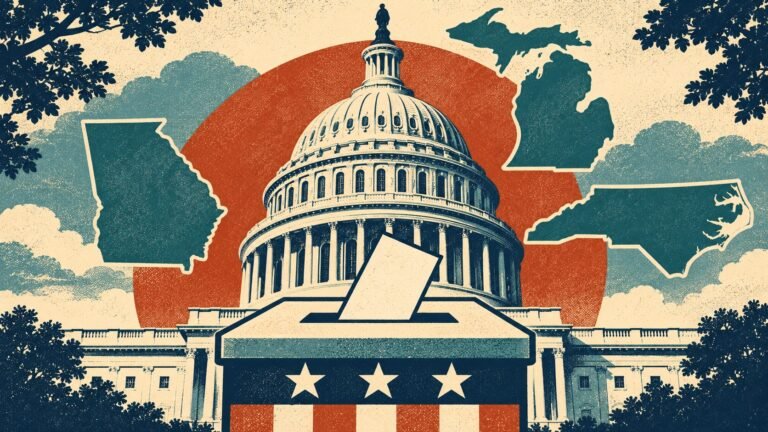
The US federal general election is scheduled for November 3, 2026. It falls halfway through a presidential term, which is why it is called a midterm. Voters choose members of Congress and, depending on where they live, may also vote for governors, state legislators, local officials or ballot measures. Check your state or local election office for the ballot that applies to your address. Federal Election Commission 2026 election calendar
## What is on the federal ballot
All 435 voting seats in the US House of Representatives are normally contested in a midterm because House terms last two years. Each House race is decided in a congressional district. Senate terms are six years and staggered, so only one class comes up for its regular election in a given cycle. Special elections can add contests. A state’s regular Senate schedule therefore does not necessarily describe everything on its ballot. A voter can check the offices and candidates in the sample ballot published by their election authority.
## What control of Congress affects
The House and Senate both participate in passing legislation and funding the government. The Senate also considers nominations and treaties. A change in control can affect committee leadership, oversight and what bills reach the floor. To follow the impact, check the balance in each chamber separately. A national total of votes cast across House races tells a different story from the number of districts each party wins. Also check the status of races still counting before drawing a conclusion about the balance.
## Why state races and measures matter
Governors and state legislatures make decisions that can affect state budgets, schools and infrastructure. Some voters will also see questions about proposed laws or changes to state constitutions. Read the official voter guide to see the full wording and how a yes or no vote is interpreted. Requirements for passing a measure can vary. Find the guide through the election office for your address, especially if you recently moved or a district boundary changed. USA.gov guide to finding your election office
## How to follow results responsibly
Election night totals are often incomplete. Different jurisdictions can report different categories of ballots at different times. A race can look different as results arrive from more areas. Check the official results page and see how it describes the count. News organizations may project a winner before the state completes its official process. To track an especially close race, look for election office statements about outstanding ballots, canvassing and certification. Those updates help explain why the reporting timeline can differ across states.
For voting logistics, use the state or local election office to check your polling place, hours, registration status and the current rules that apply to your ballot. Treat forwarded screenshots as a prompt to check the original official page. If you follow several races, bookmark the relevant election offices separately so you can see each result in its local context.