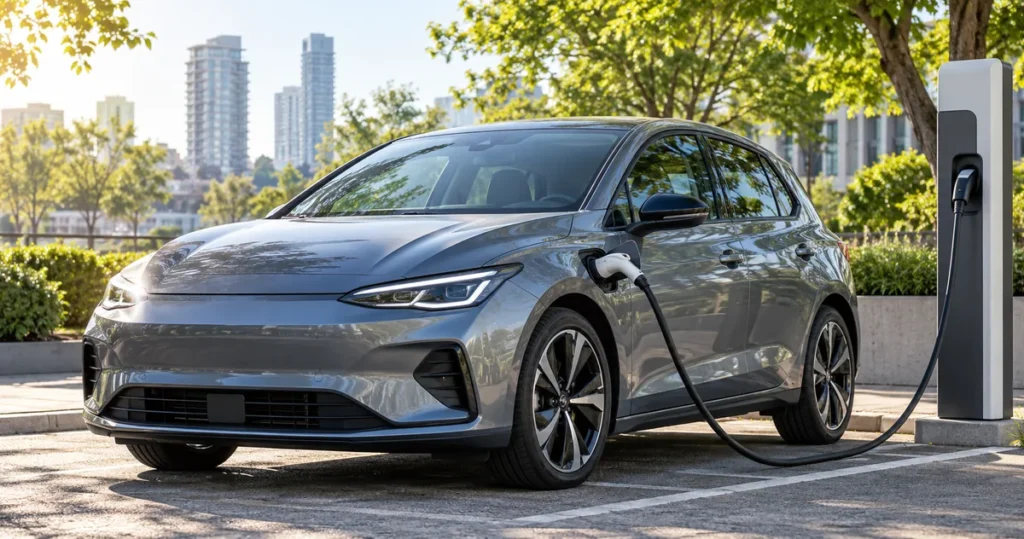
Charging an electric vehicle at home is one of the biggest reasons EV ownership can feel practical in India. A reliable home setup means you begin each day with usable range, avoid unnecessary public-charger stops and understand what electricity use may cost.
Start with your daily driving pattern
Before buying charging equipment, estimate how many kilometres you normally drive in a day. Most city commuters do not need to recharge a battery from zero every night. A regular, planned top-up is usually easier on your routine than waiting for the battery to become very low.
Choose the right home EV charger
Use the charger supplied or approved by your vehicle manufacturer. A portable charger can be suitable for slow charging where the wiring is verified, while a dedicated AC wall box is generally the more convenient choice for frequent home charging. Ask the vehicle dealer or a qualified electrician which connector, power rating and circuit are appropriate for your model.
Home EV charging cost in India
Your bill depends on battery size, the energy added and your local electricity tariff. A useful estimate is: electricity used in kWh × tariff per unit. Charging losses mean the electricity drawn from the wall will be a little higher than the battery capacity. Check your latest bill and compare the monthly charging cost with your earlier fuel spend instead of relying on a single national number.
Safety checklist before installation
- Use a dedicated circuit sized by a qualified electrician.
- Ensure correct earthing and suitable protection devices.
- Avoid loose plugs, damaged cables and extension boards.
- Keep the charging point dry, accessible and away from water.
- Follow the vehicle maker’s instructions and local electrical rules.
- Do not cover the charger or cable while it is in use.
Make charging part of your routine
Set a charging window that fits your travel schedule. If your electricity provider offers time-based tariffs, check whether off-peak charging is available in your area. Keep a public charging option in mind for long trips, but let home charging handle most everyday kilometres.
Bottom line
A properly installed home EV charger is about convenience and safety, not just speed. Confirm your wiring, use approved equipment and base your cost estimate on your own tariff and driving habits. That gives you a clearer picture of what electric vehicle charging at home in India will look like each month.
This article is for general information. For electrical work, use a qualified professional and follow your vehicle manufacturer’s guidance.